
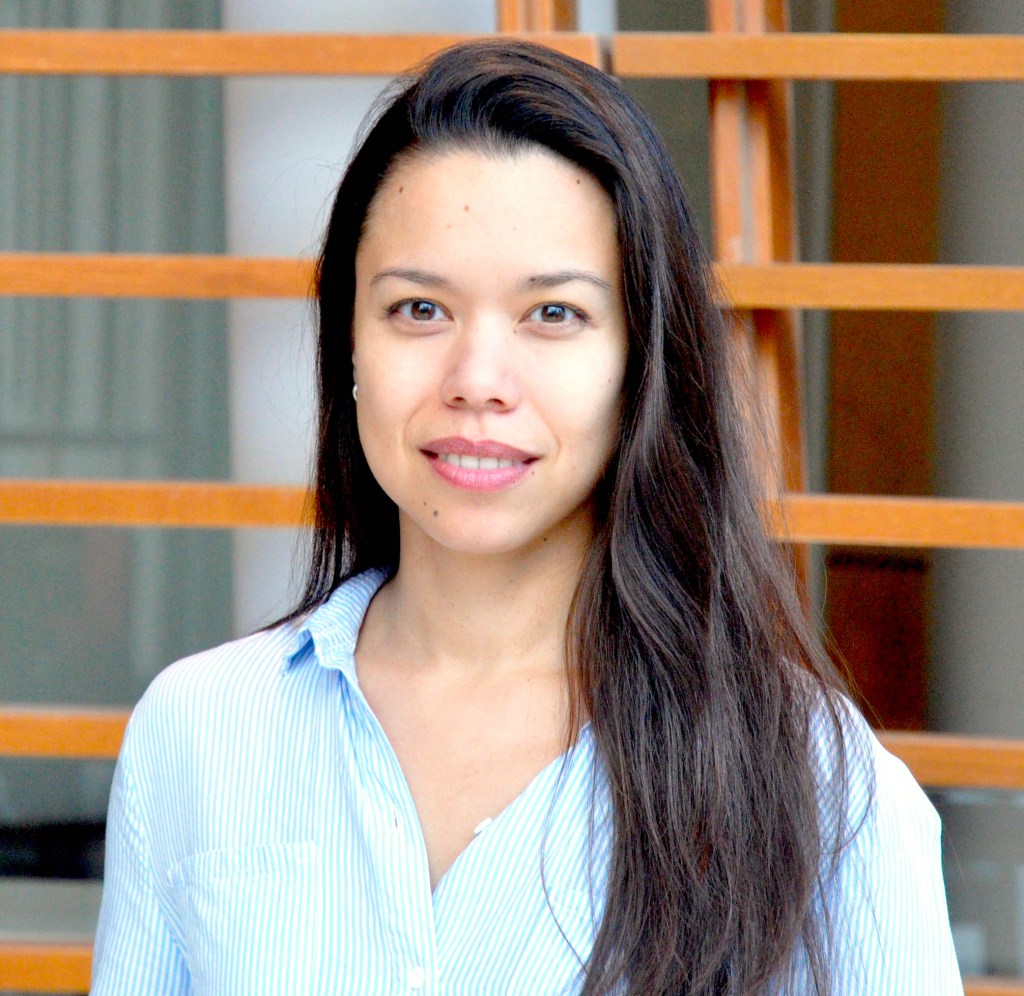
Virginia Pedicord received her PhD in Immunology and Microbial Pathogenesis from Cornell University under the supervision of Dr. James P. Allison at Memorial Sloan Kettering Cancer Center in New York. There she studied how CD8+ T cell survival, differentiation and function in vivo are shaped by activation in the contexts of IL-10 inhibition, immune checkpoint blockade and metabolic manipulation. She went on to complete her postdoctoral training at the Rockefeller University, where she began investigating the role of the gut microbiota in T cell-mediated immunity and intestinal barrier function, before joining the University of Cambridge Department of Medicine and Cambridge Institute of Therapeutic Immunology & Infectious Disease (CITIID) as a Sir Henry Dale Fellow in 2018. She is interested in how interactions with gut microbes and microbial metabolites affect resistance to infection, local and systemic T cell responses and the gut-brain axis of neuronal function.
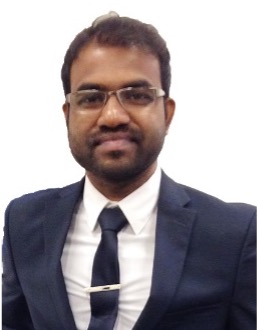
Puspendu Sardar was an International Max Planck Research School (IMPRS) fellow and received his PhD in molecular genetics from the University of Kiel, Germany, in 2018 under the supervision of Prof. Dr Frank Kempken. He then joined the Czech Academy of Sciences as a postdoc and worked on microbial community composition in different environmental conditions. Since September 2021, Puspendu has been a postdoctoral research associate in the Pedicord Lab at the University of Cambridge, UK. Puspendu’s current research is focused on understanding the roles of gut-microbial metabolites in mouse tumour models and human cancer patients and their relation to host immunity.
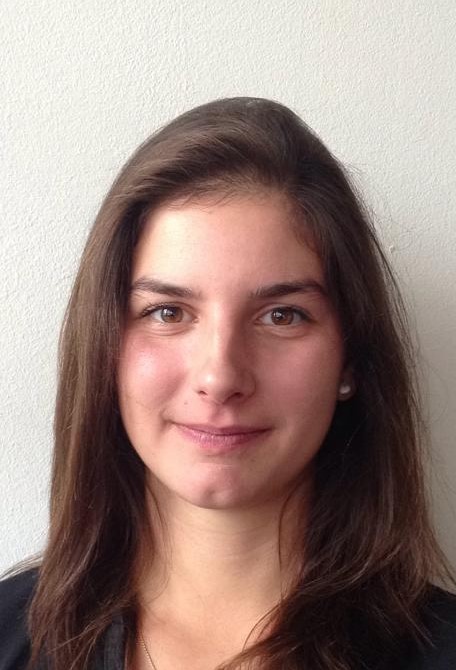
Rea Bingula joined the Pedicord lab as a Research Associate to work on mechanisms of gut-microbial metabolite-driven anti-PD1 cancer immunotherapy response. She studied Molecular Biology through Double-Diploma TBI program between University of Zagreb and University of Orléans, before receiving her PhD in Biology & Health in 2019 from University Clermont Auvergne. She explored intestinal and airway microbiota along with the immune response in non-small cell lung cancer patients. This was followed by a two-year position as a Research and Lecture Assistant in biochemistry and molecular biology while investigating the effect of a high-fat diet on the gut microbiota in mammary gland tumour-bearing mice. Before joining the Pedicord lab, she focused on immune response in long-COVID patients and long- and short-term response to anti-COVID19 vaccine as a PostDoc in the Laboratory of Immunology (ECREIN, UMR1019 UNH).
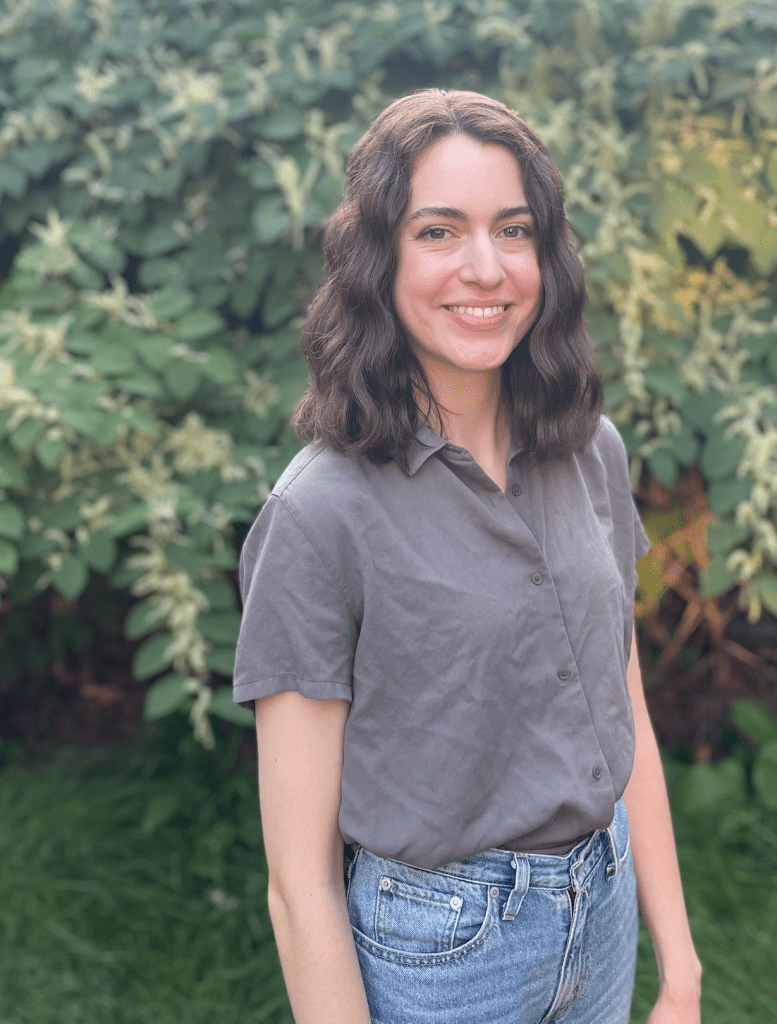
Kerry McGowen is a research associate at the Pedicord lab, where she is studying the role of mucosal immunology in clearing enteric pathogens and post-infection inflammation. Kerry completed her Ph.D. in Biological Sciences in Public Health from Harvard University in Eric Rubin’s lab in May 2024. Here, she studied mechanisms of drug action and resistance in Mycobacterium tuberculosis, the causative pathogen of tuberculosis (TB), and Mycobacterium abscessus, an opportunistic pathogen that primarily causes pulmonary infections. Before her Ph.D., she was a Postbaccalaureate Research Fellow at the National Institute of Health (NIH) investigating interferon signaling in castration-resistant prostate cancer using 3D organoids. She obtained her bachelor’s degree in biochemistry from Washington & Jefferson College. In her free time, Kerry enjoys reading, playing video games (mainly Stardew Valley), and spending time with her cats, Winston and Stevie.
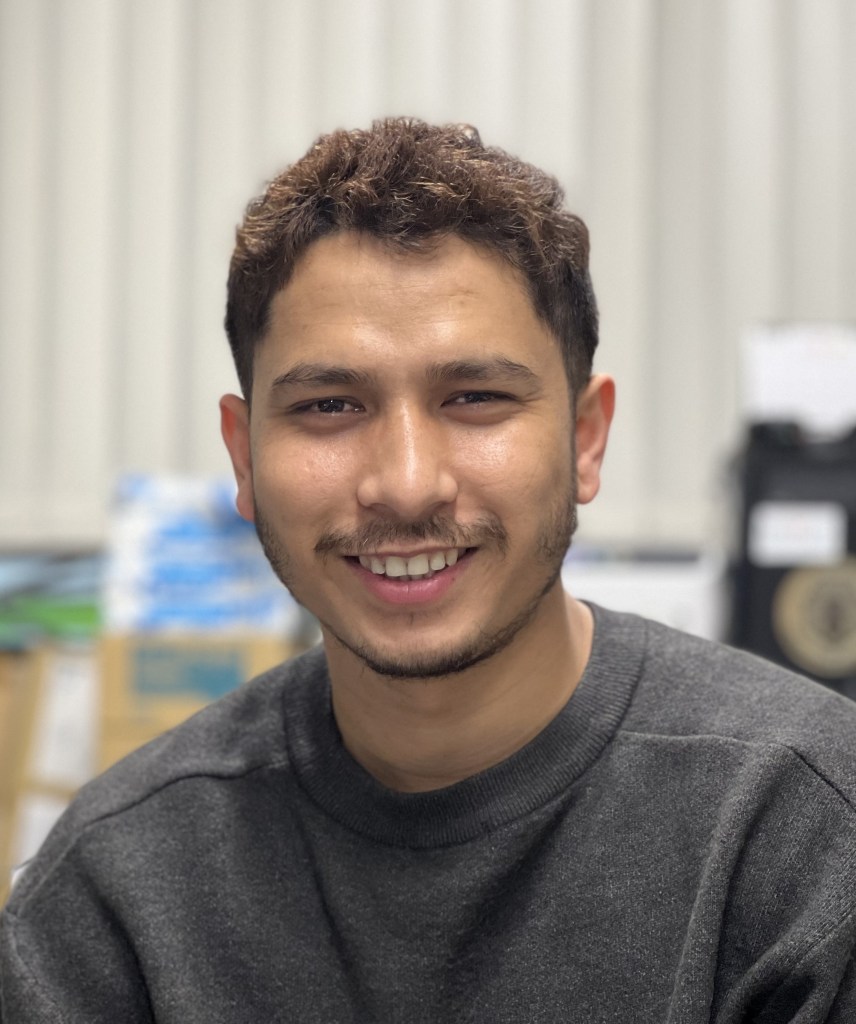
Bhim Biswa is a Research Associate at the Pedicord Lab, where he is studying the gut-brain axis and its potential impacts on health and disease. Bhim completed his PhD in 2024 at the Koide Lab, National Institute of Genetics, Japan. He investigated how the gut microbiome may shape animal domestication. Additionally, he participated in several collaborative studies on phylogenomics. Prior to his PhD, Bhim worked as a Research Fellow for three years at the CSIR-Centre for Cellular and Molecular Biology, India, contributing to multiple ‘Omics studies. He earned his Master’s degree from Tezpur University, India, where he worked on characterizing hydrocarbon-degrading Pseudomonas aeruginosa. You can find more about him here: https://bhimbbiswa.github.io
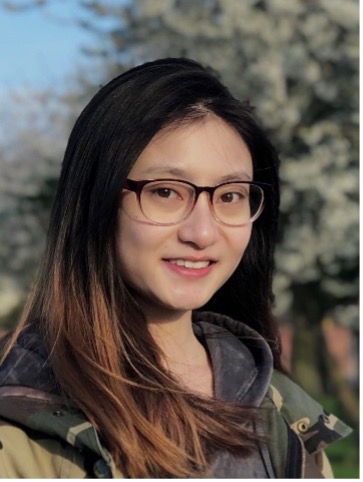
Wangmingyu Xia is currently a PhD candidate working in the Pedicord Lab, in the Cambridge Institute of Therapeutic Immunology & Infectious Disease at the University of Cambridge. She graduated from Imperial College London with an MRes in Biomedical Research (Microbiome in Health and Disease). Wangmingyu is interested in the interaction of the gastrointestinal immune system with the commensal microbiota and its metabolites. The working title of her thesis is “Effects of the commensal microbiota on T cell-mediated intestinal inflammation in response to immunotherapy”.
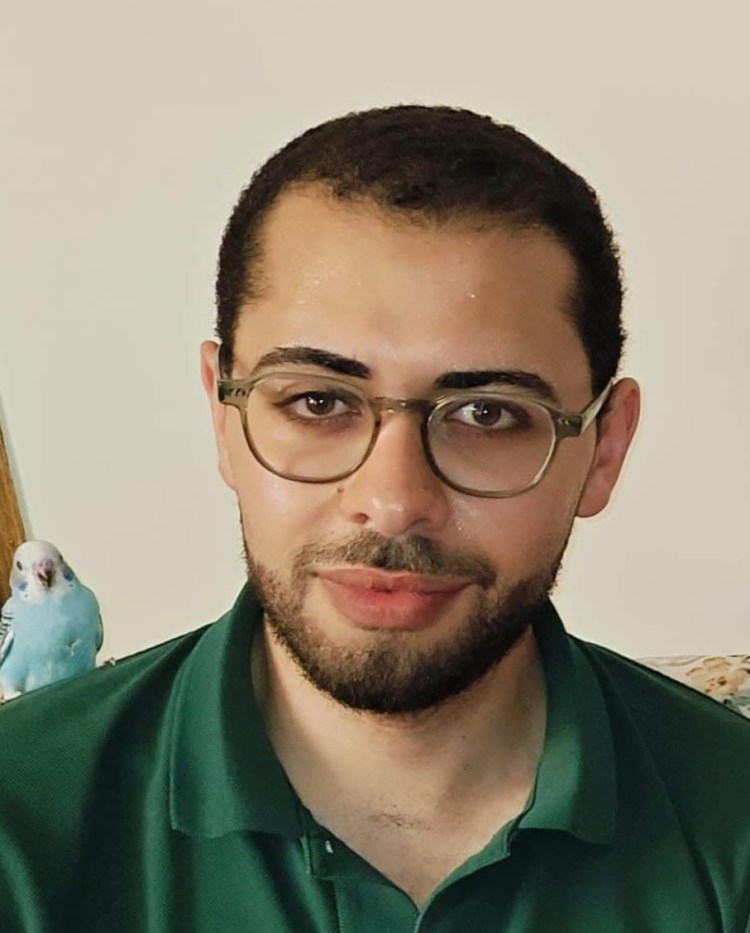
Omar Shabana is a PhD candidate at the Pedicord Lab, where he focuses on the role of the gut microbiome in colon cancer onset/progression. His interest in immunology stems from his BSc Immunology degree at University of Edinburgh, where his dissertation focused on characterising foreign genetic insertions into V(D)J antibody sequences. This was followed by a year of visiting research work on bladder and pancreatic cancer immunology projects in the Quezada lab (UCL) and Midwood lab (University of Oxford), respectively. Prior to joining the Pedicord lab, Omar undertook an MPhil in Biological Sciences at the University of Cambridge, where he set out to characterise T cell retention mechanisms in skin and melanoma. Omar is also the co-Managing Director of Nucleate Cambridge, UK, where he helps academics gain the necessary tools to spin-out their technologies.
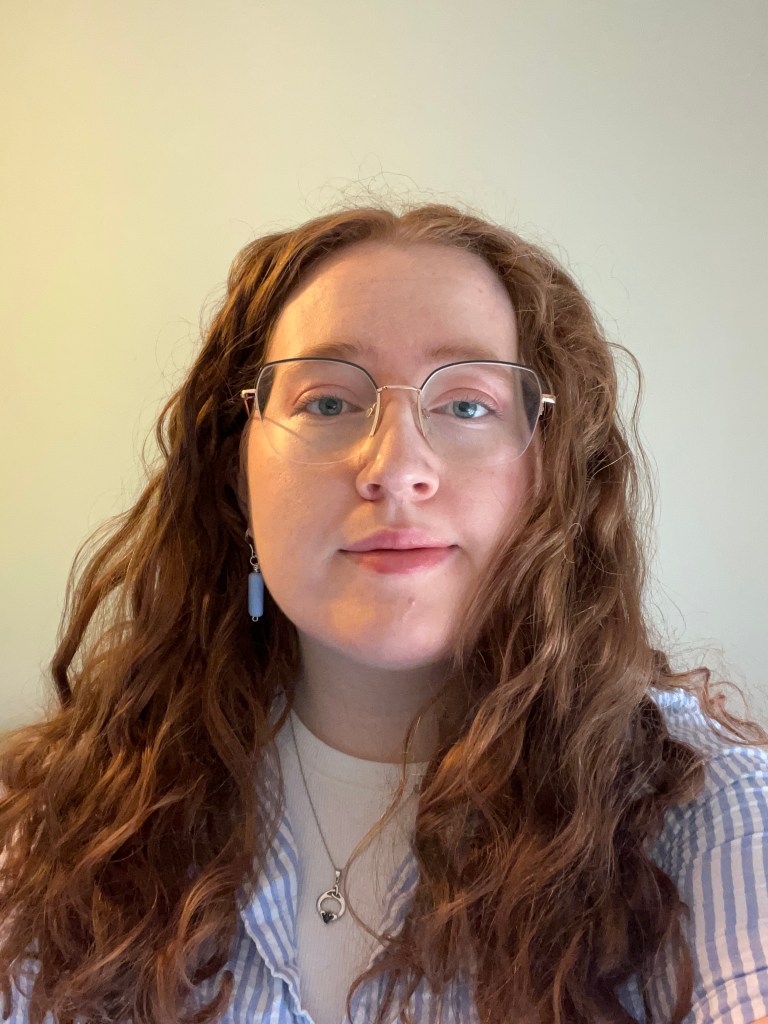
Emily McCord currently works as a Research Assistant in the Pedicord lab within the Cambridge Institute of Therapeutic Immunology & Infectious Disease (CITIID). She recently gained her MRes in Biomedical Research (Microbiome in Health and Disease) from Imperial College London. In her MRes degree she completed two research projects, studying the molecular determinants of Lactobacillus dominance in the female lower reproductive tract and the antifungal activity of bacteria extracted from earthworm cocoons. Her research interests include how the female reproductive tract microbiome impacts women’s health, particularly its link to gynaecological cancers, and how the gut microbiome mediates immune responses.
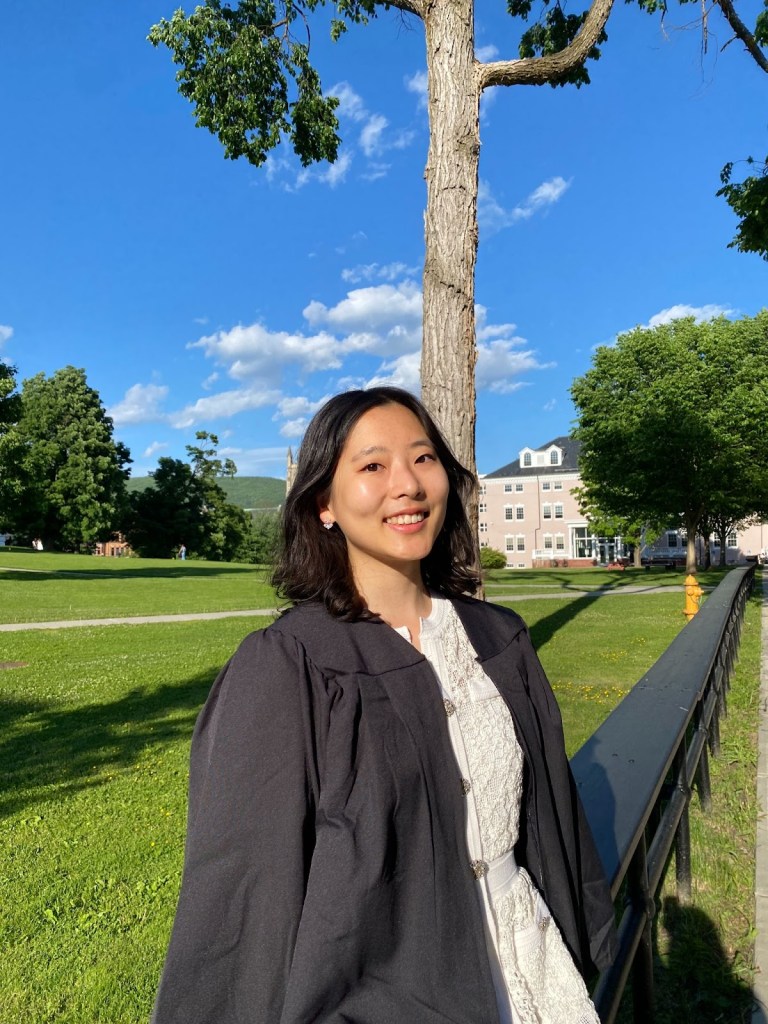
Junhee Lee is currently pursuing an MPhil in Medical Science (Medicine) under the Herchel Smith Fellowship at Emmanuel College in Cambridge and Williams College in the US. She graduated from Williams College in 2024 with a B.A. in Chemistry and Statistics, and received highest honours in Chemistry for her senior thesis in the Hart lab, titled “Deciphering How Disulfides Shape the Energy Landscape of Class A β-lactamases.” Her interest in the host-gut microbiota interaction developed during her summers at Dr. Gary Wu’s lab at the University of Pennsylvania, where she investigated various growth-limiting nutrients of Enterobacteriaceae in the gut to better understand the role of diet in disseminated infections. In the Pedicord lab, she is studying the role of commensal bacteria in conferring protection against Salmonella infection.
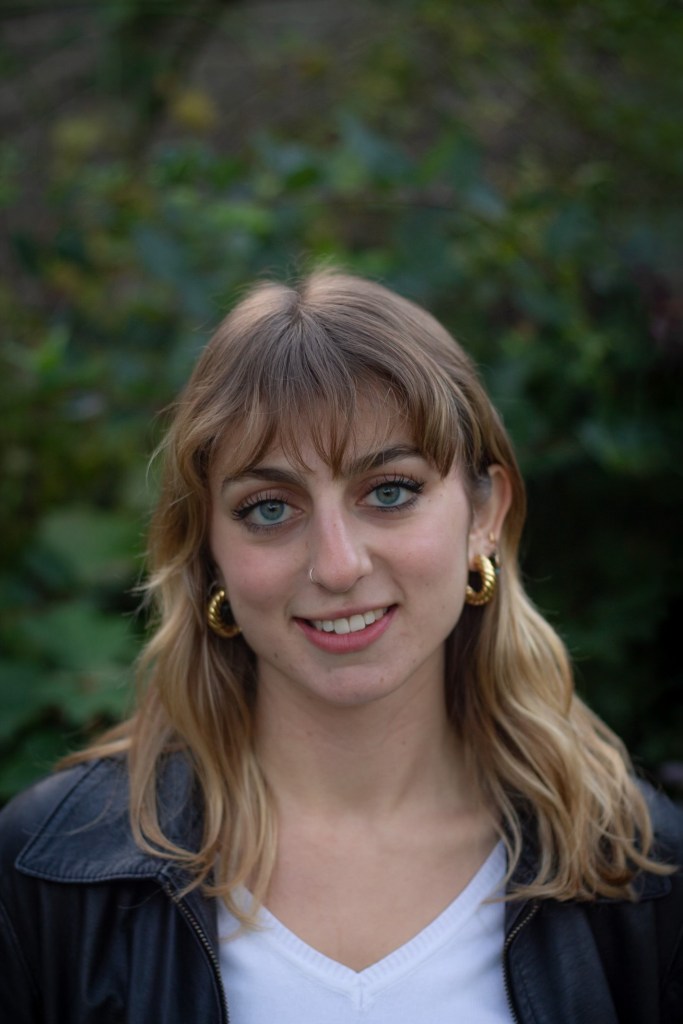
Nelly Wolman is an MPhil student in the Pedicord Lab who is studying antigen presentation by intestinal epithelial cells and how this influences the development of anti-inflammatory T cells in the small intestine. She completed her BA in Natural Sciences at the University of Cambridge where her final-year project focused on comparing methods for studying the malaria parasite’s cell cycle.
Esteemed Alumni
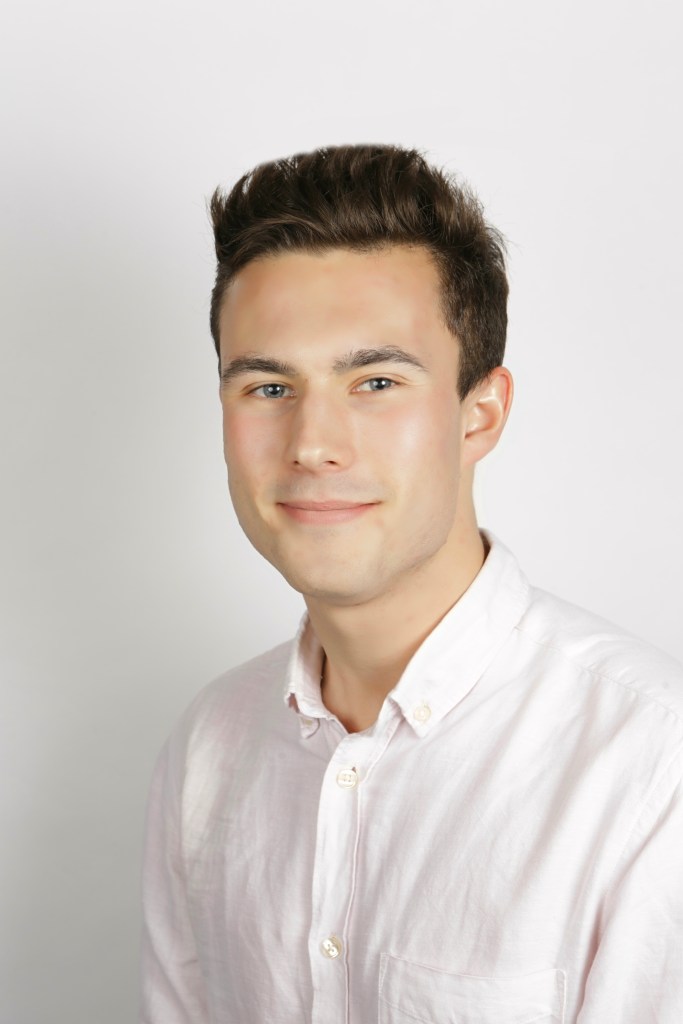
Benjamin Beresford-Jones was an MB/PhD student in the Pedicord Lab at the University of Cambridge and graduated in 2023. Benjamin developed novel insights and bioinformatic resources for translating microbiota findings between humans and animal models such as the mouse. His work also explored the interactions of the gut microbiota with the mucosal immune system during infection. Benjamin holds first-class BA honours and MA degrees in Natural Sciences from Christ’s College, Cambridge. He supervised medical students in Pharmacology and Immunology at the University. Benjamin also served as Editor-in-Chief of the Cambridge Medicine Journal and is the former President of the Cambridge University Scientific Society. Benjamin is now a Specialised Foundation Doctor at Barnet Hospital, Royal Free London NHS Foundation Trust.
Amelia Soderholm was awarded a PhD (The University of Queensland, Australia) in 2018 for her research under the supervision of Prof Mark Walker into the interaction of Group A Streptococcus with innate immune signalling pathways. She subsequently embarked on post-doctoral training with Dr Virginia Pedicord at the University of Cambridge, UK. Amelia’s research focused on investigating cross talk between the gut microbiome, intestinal epithelial cells, and intestinal lymphocytes, particularly focusing on CD4+CD8aa+ intraepithelial lymphocytes. In 2020 Amelia was awarded a Careers in Immunology Fellowship by the American Association of Immunologists. Amelia was a Postdoctoral Associate member of Lucy Cavendish College, University of Cambridge. She returned to the University of Queensland in 2023 as a postdoctoral fellow.
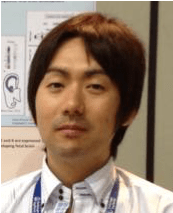
Satoshi Suyama came to the Pedicord Lab as a visiting scientist from Japan in 2020. His research interests involved the roles of the early postnatal gut-brain axis in brain development and establishment of the blood-brain barrier. He moved to Leeds in 2024 as a senior postdoctoral research associate.
 Pedicord Lab