
The gastrointestinal tract houses the largest population of lymphocytes in the human body as well as a tremendous number of resident microbes, collectively known as the microbiota, that supports numerous aspects of host health, including metabolism, immune development and pathogen resistance. However, the mechanisms involved in key host-microbiota interactions remain largely unknown.

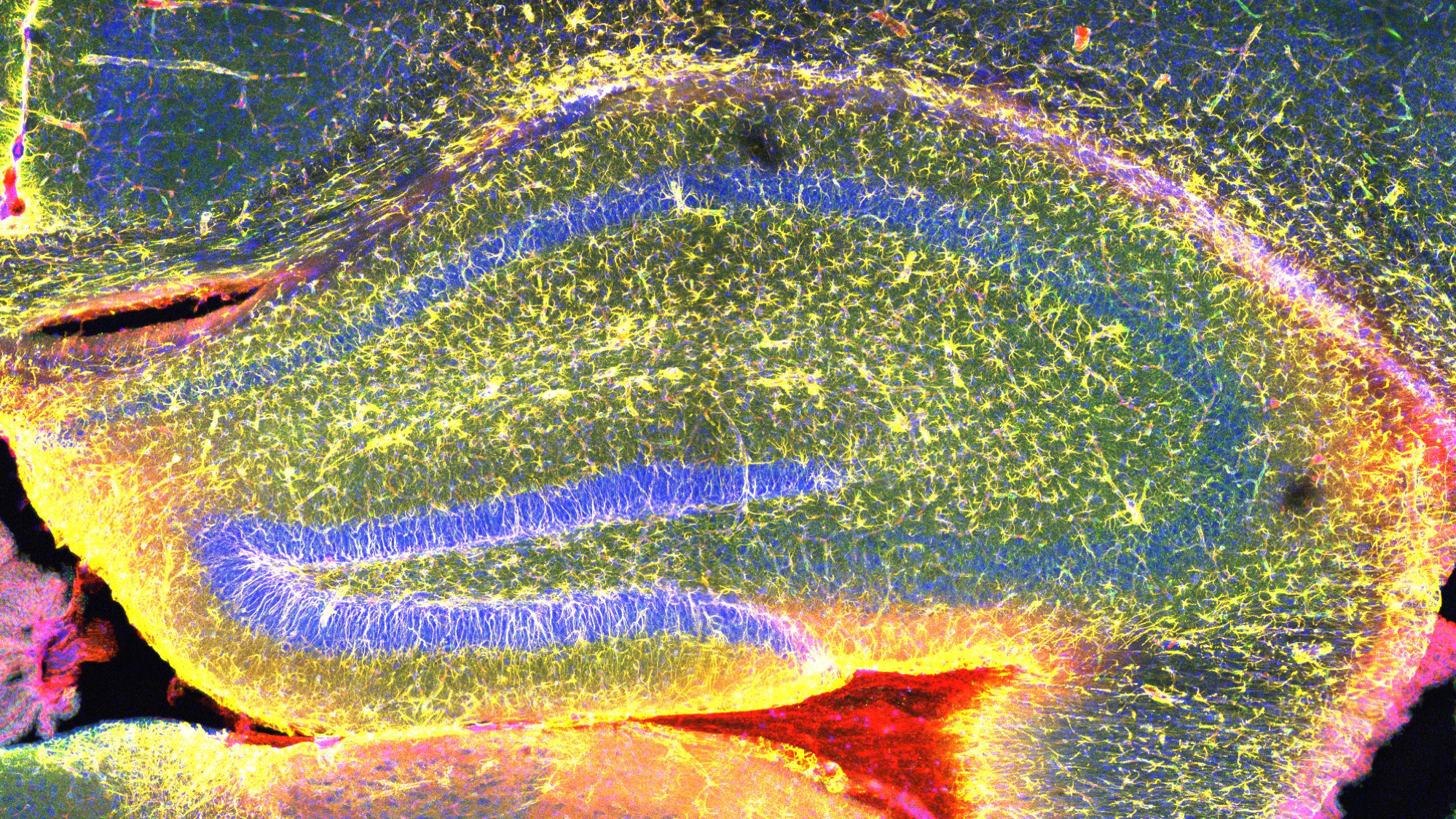
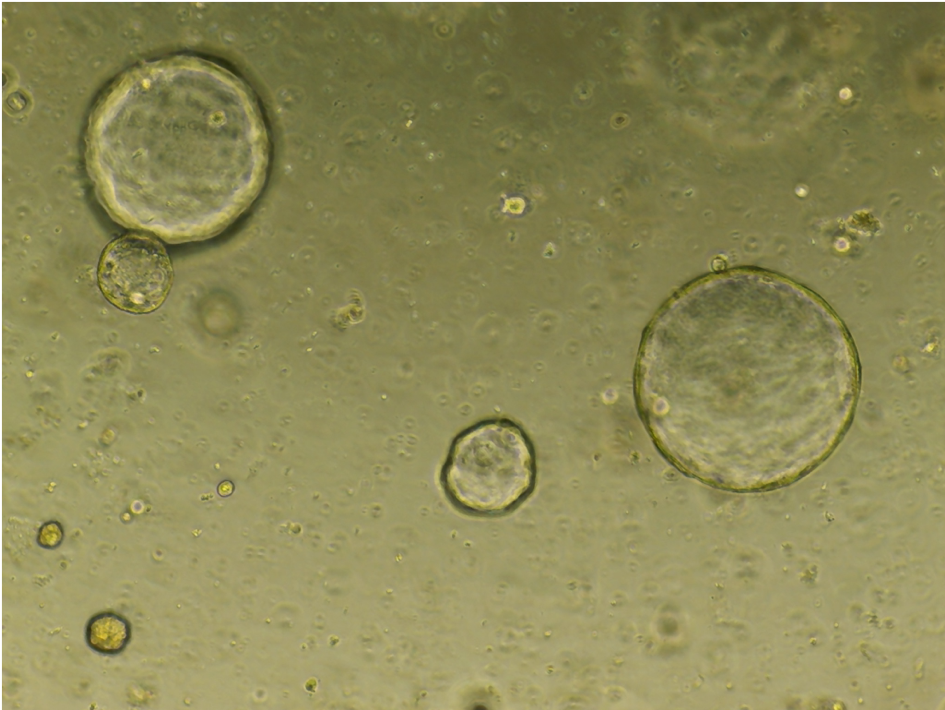

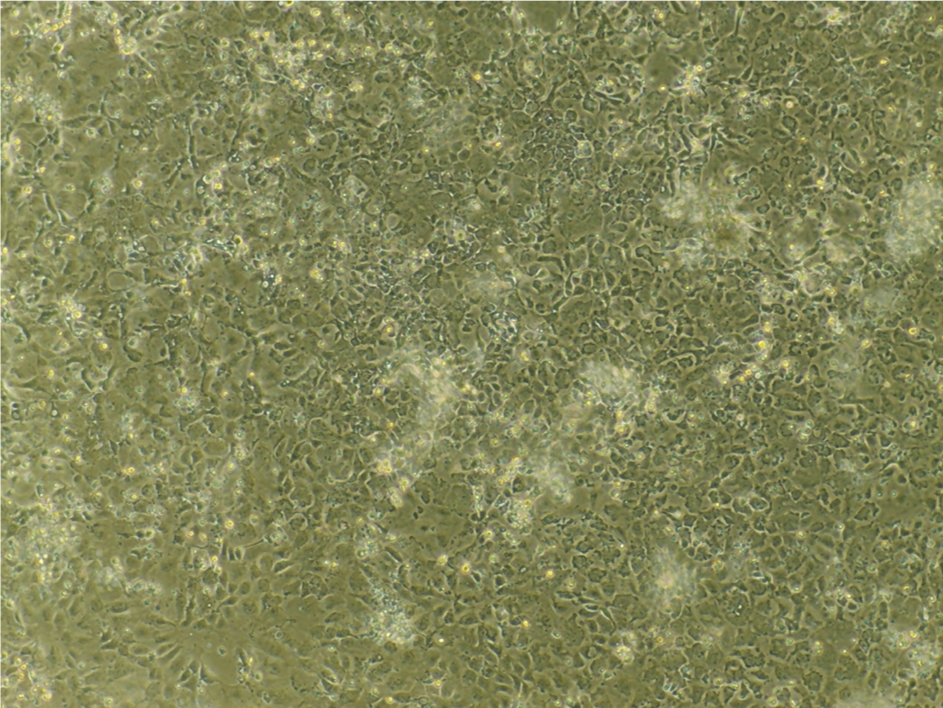


The Pedicord Lab seeks mechanistic insights into the influence of commensal microbes on host intestinal and systemic physiology and immune responses. These fundamental insights will give us a better understanding of infectious diseases, autoimmune disorders and cancer, enabling the development of new approaches to enhance therapies and combat disease. Using functional metagenomics, in vivo models, cellular immunology, transcriptomics and proteomics, we identify the cellular and molecular targets of gut microbiota-mediated modifications of host immunity. Our multi-disciplinary mechanistic approach allows us to characterise the complex interactions between the commensal microbial community, intestinal epithelium and adaptive immune cells both during homeostasis and the perturbations of disease.
 Pedicord Lab